If I say to you "satellite-based internet provider", your first thought is probably Starlink. A subsidiary of Elon Musk's space technology company SpaceX, Starlink has launched a total of as of February 22, with many more planned in the future. However, rival satellite u31.com เข้าสู่ระบบ companies are waiting in the wings, including the reportedly Chinese state-backed SpaceSail, which plans to have up to 15,000 satellites orbiting Earth by 2030.
SpaceSail signed an agreement to provide internet coverage in Brazil last year and announced it was in talks with u31 ทางเข้า over 30 countries to provide a similar service (via ). Brazil is also in talks with Jeff Bezos' , an Amazon subsidiary that also plans to launch thousands of internet-beaming satellites into the inky beyond above our heads.
So, that's a lot of big hunks of internet-transmitting metal planned to be orbiting at tremendous speeds above us. On the one hand, that's potentially great news for people living in more rural communities where traditional internet connections are unfeasible, or other u31 เข้าสู่ระบบ areas where regular internet providers can't easily reach—like ships at sea, or the Antarctic circle.
But there are multiple downsides, not least among them being space junk. Setting aside the fact that more satellites in orbit increases the odds of a space-debris-causing collision, even re-entering them into the Earth's atmosphere for disposal comes with potential issues. Harvard and Smithsonian astronomer Jonathon McDowell estimates that there is now , and each Starlink satellite is said to be due for replacement .
Scientists are worried that when these aluminium satellites hit the upper layers of the Earth's atmosphere and burn up, , which may accumulate at high altitudes and potentially damage Earth's protective ozone layer.
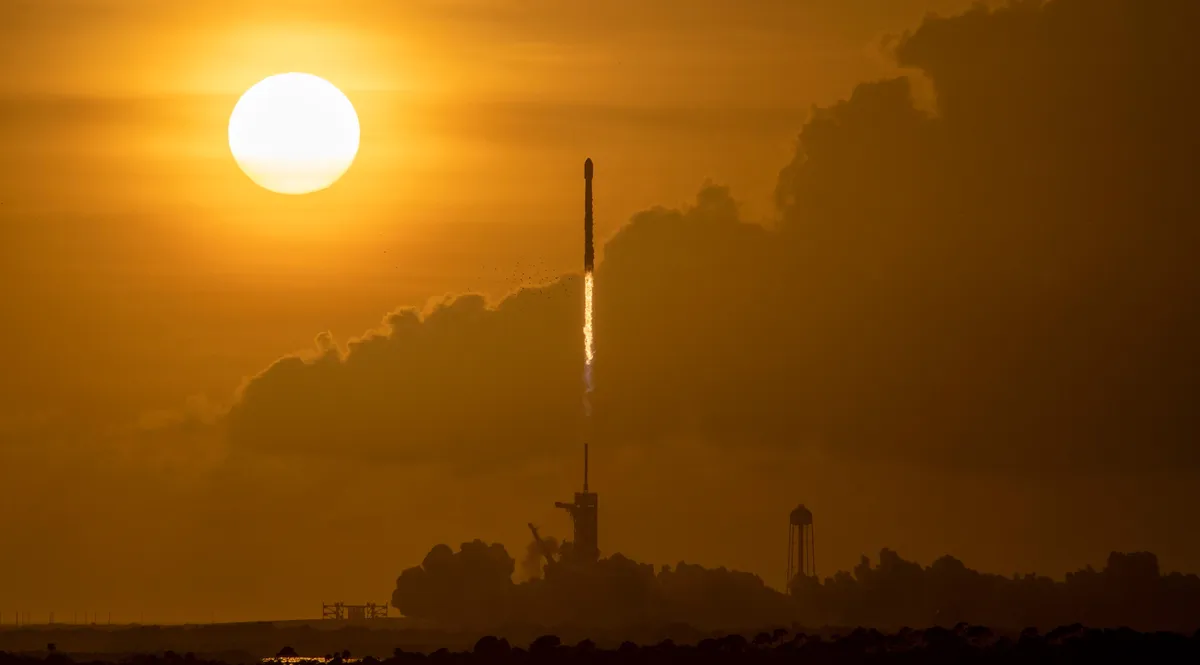
Not only that, but the rocket launches propelling thousands of satellites into orbit also burn up some of their primarily aluminium stages upon re-entry, not to mention the environmental effects of the emissions of the rocket motors themselves. While may mitigate the issue, it seems unlikely that every satellite launching provider will use such a reusable technique in order to propel a huge number of extra satellites into lower Earth orbit over the coming years.

: The top pre-built machines.
: Great devices for mobile gaming.
And we haven't even got to any of the more immediate concerns down here on terra firma. Musk's satellites are already occasionally and have been accused of here on Earth, somewhat ironically making it difficult for astronomers to further our understanding of the vast reaches of space—by improving communications in our own orbit.
Regardless, it looks like there's no stopping the march of modern internet satellites, and many more look to be blighting our skies/potentially improving worldwide internet access in the near future. We often do because we can, not necessarily because we should, and it seems like the march of progress shows no signs of stopping here. And as a result, our night skies may soon never look the same again.